Have you ever completely fallen in love with a book, only to realize months later that you can’t remember the characters’ names, your favorite quotes, or maybe why you even loved it so much in the first place?
If so, welcome. Because I read so much, I often struggle to remember a lot of the things I’ve read. And since reading is one of my favorite hobbies, I started keeping a reading journal to help me remember more important details, reflect more intentionally, and review the books I’m reading.
In this guide, I’ll walk you through some different ways you can start keeping your own reading journal. As always, there isn’t one right way to do it, but this is what works for me!
Affiliate Link Disclosure
This post may contain affiliate links. This means I may earn a small commission if you choose to purchase through my links, at no extra cost to you. I only share products I genuinely love or think you’ll enjoy.
What is a Reading Journal?
A reading journal is a place (a notebook, a binder, a journal, printable pages, or a digital platform) used to track books, record your favorite quotes, reflect, and write reviews of the books you read.
It is a very flexible system, and people use a reading journal in many different ways.
Why I Keep a Reading Journal
For me, there are many benefits to keeping a reading journal other than just keeping track of the number of books that I’ve read.
#1–It Helps Me Remember What I’ve Read
I don’t have the greatest memory for details, and books can blend together over time. A reading journal helps me preserve my thoughts while they’re fresh.
#2–It Encourages Me to Engage More Deeply
Rather than just breezing through a book and moving on, I enjoy going back and recording my favorite quotes or character details and even reviewing the book as a whole. Doing this really makes me notice themes and literary devices that I possibly would have missed otherwise.
#3–It Documents My Reading History
I like being able to go back later and revisit the books I’ve read. I generally start a new reading journal every year (though the format has changed over the years!) so I can keep track of my yearly reading habits.
Can I Just Buy a Reading Journal?
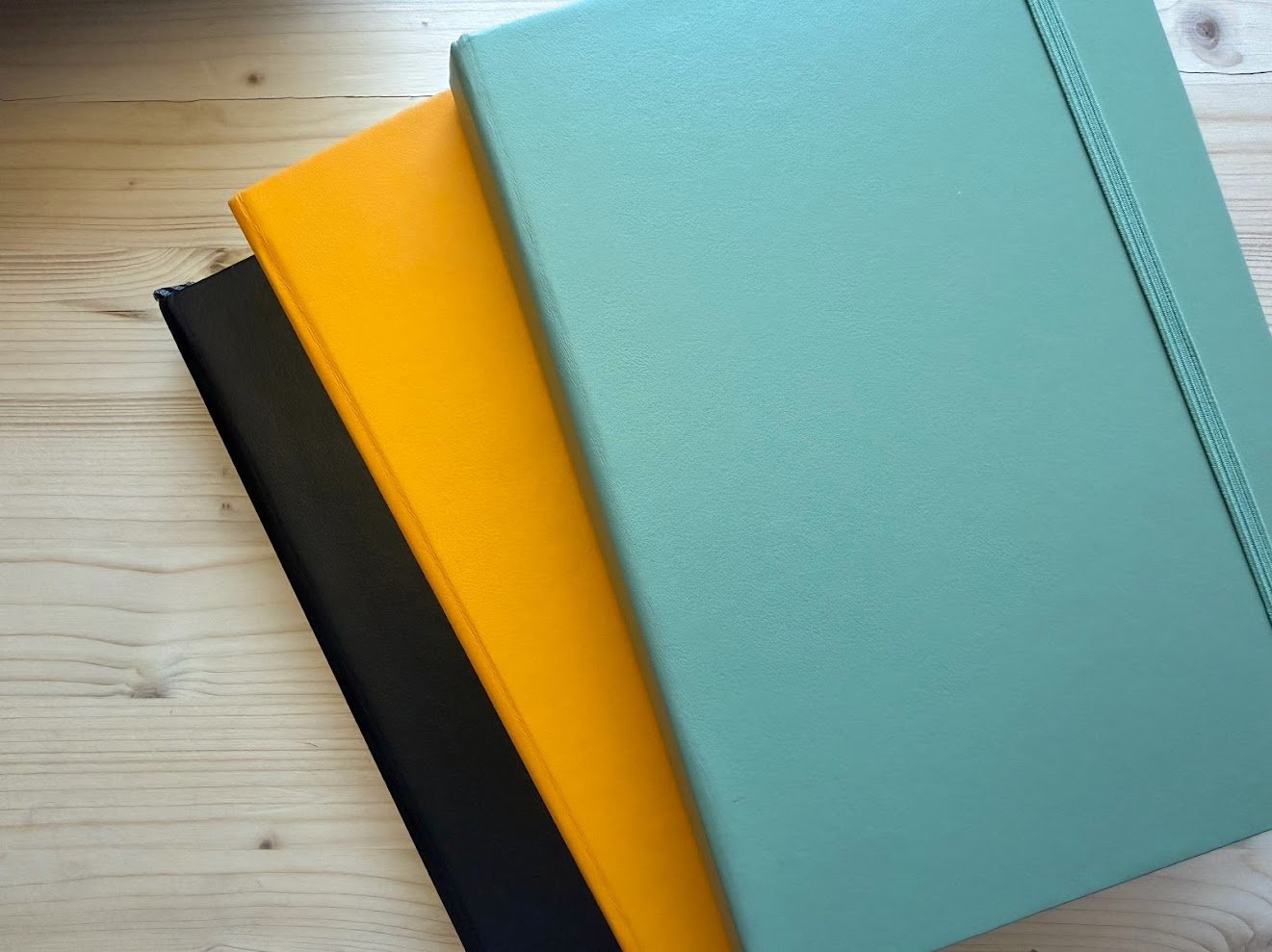
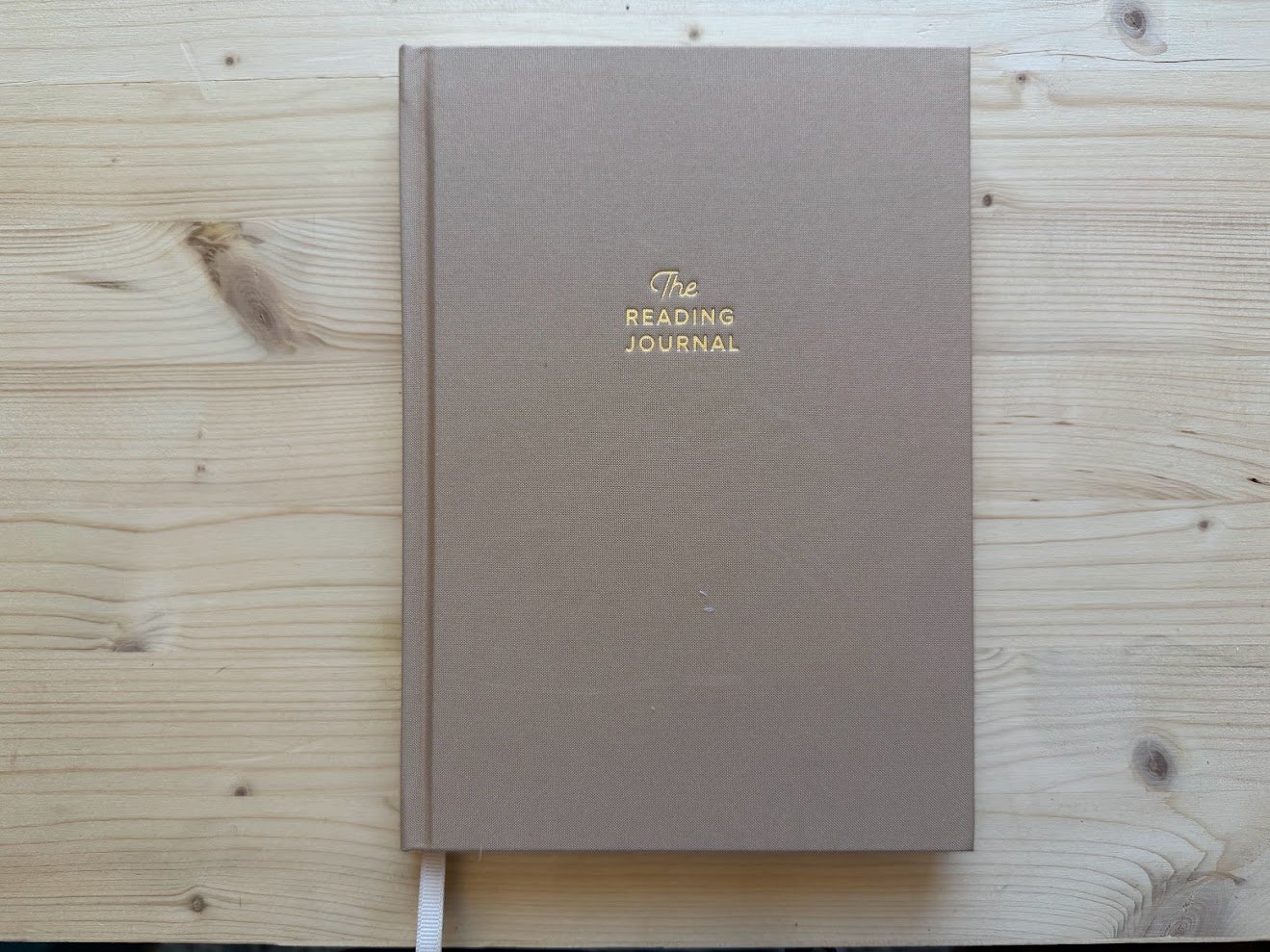
Yes, definitely, and this is what I was doing until very recently. I was a big fan of this one in particular.
I still think that buying a reading journal is a great option, but I personally outgrew this type of journal. I was tired of using the exact same format for every book, and I wanted to customize my pages and add/remove them when I wanted to. With the one I purchased, it was basically just a list of what I’ve read and then book review pages. That’s great if you want simplicity, but I wanted something more.
Why I Switched to a Printable Reading Journal
I switched to using printable pages in a binder because it’s easy to customize, and I can move pages around when I feel like it. When I first made the switch to printables, though, I was struggling to find ones that I actually liked and that worked for me. I wanted a lot of different options and formats that I could choose from based on the individual books I was reading.
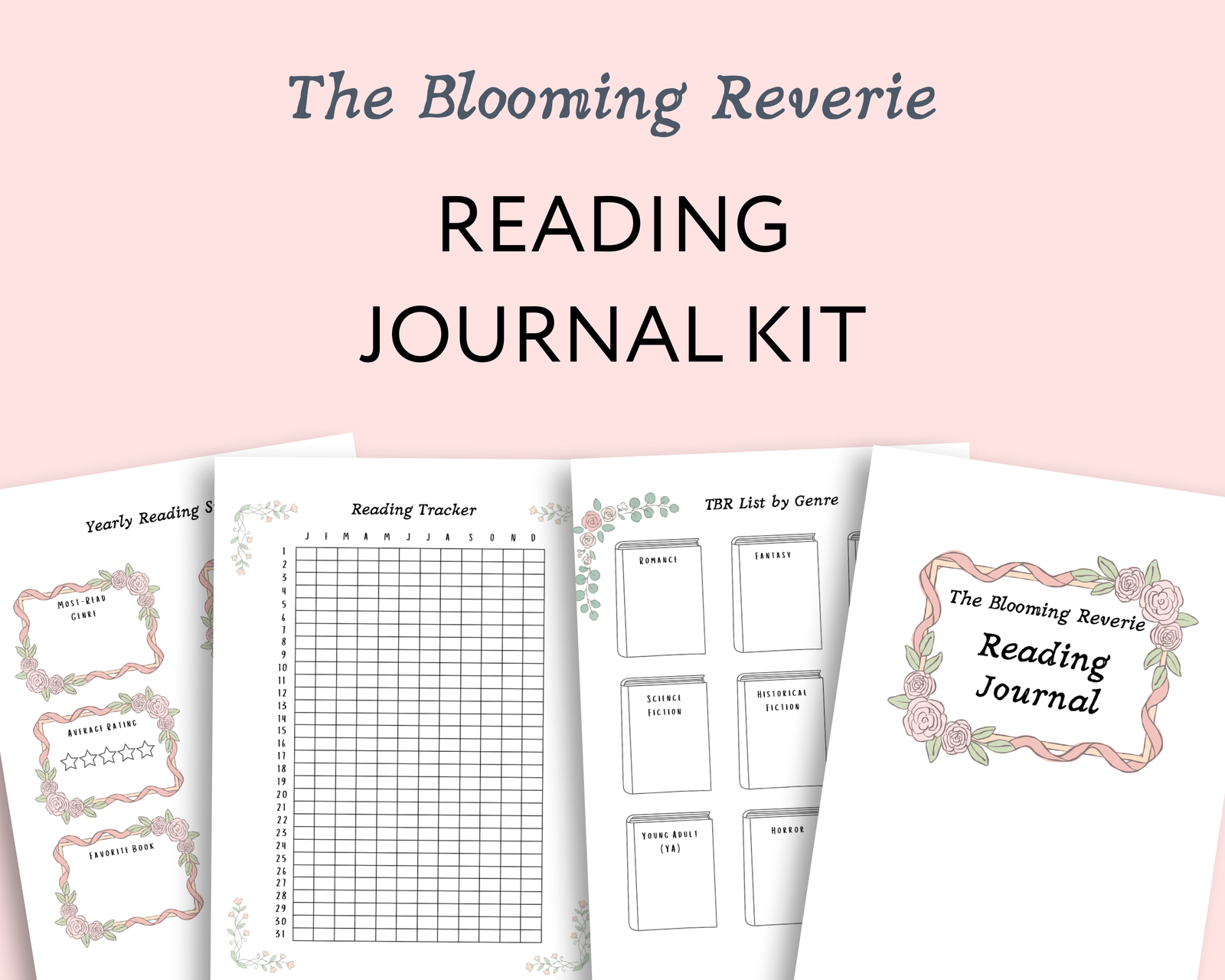
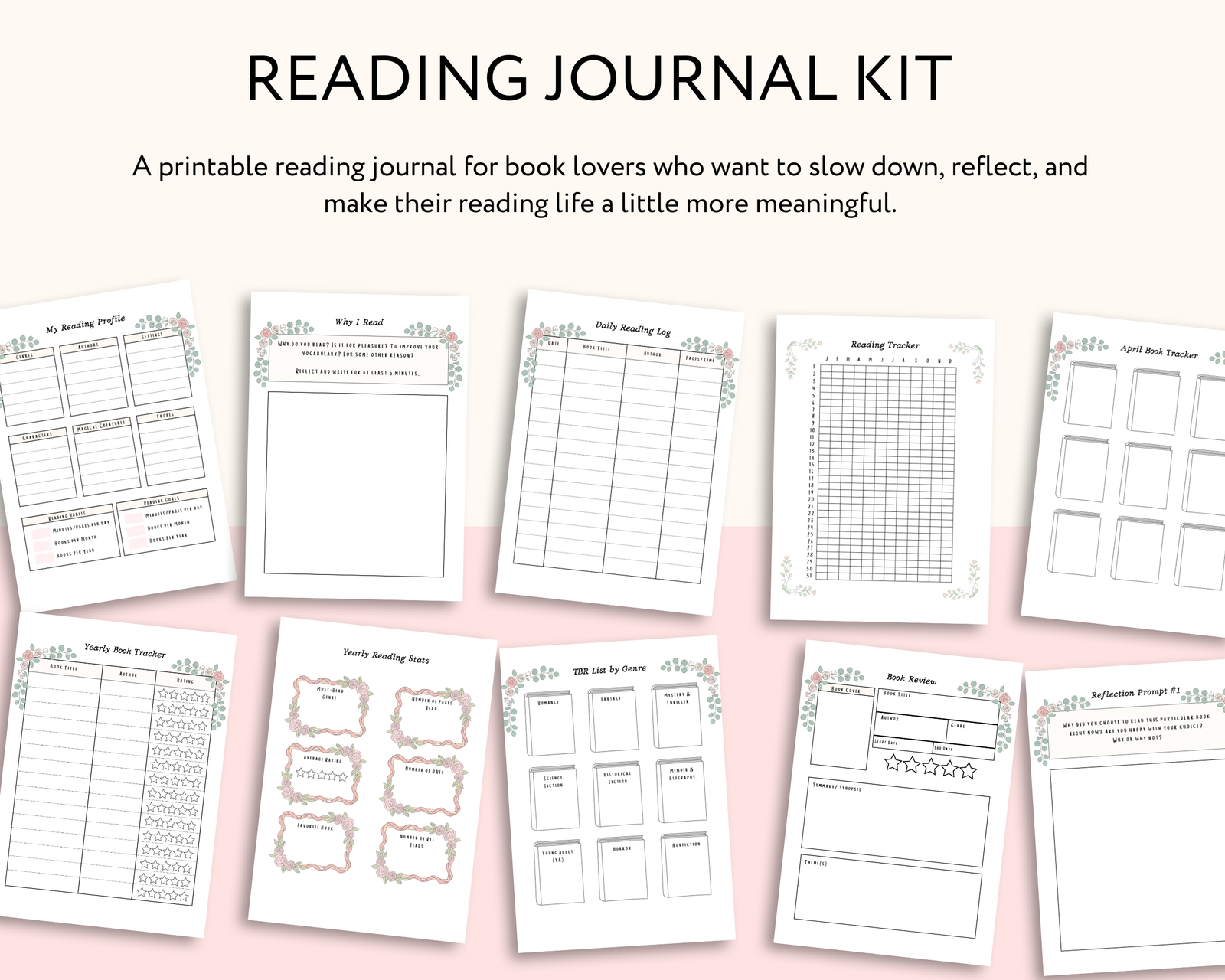
I decided to solve my own problem by creating The Blooming Reverie Reading Journal Kit. This 74-page document is full of pages I can mix and match to build the perfect reading journal for me. If you’re interested in grabbing a copy for yourself, check it out on my Etsy store!
What Should I Include in a Reading Journal?
If you want to start from scratch, there are lots of ways to customize your reading journal to fit your needs. There are so many different types of pages and spreads that you could include, but these are some of the most common.
Reading Log
A reading log tracks the number of pages or the amount of time you’ve read on a particular day. You might want to include: the title, the author, the number of pages, the amount of time, and/or the genre. I usually keep this in a list or table format.
Reading Trackers
This is slightly different from a reading log. Reading trackers are for tracking the books that you’ve read, usually after you’ve finished the book. In The Blooming Reverie Reading Journal Kit, for example, I have several different types of trackers that you can use, including daily reading trackers, monthly book trackers, yearly book trackers, and even TBR trackers. When creating your own reading journal, you can use as many or as few of these as you want.
Individual Book Reviews
This type of spread is most similar to what you might get in a pre-made reading journal. These pages are often 2-page spreads that include basic information about the book (title, author, genre, dates read), your star rating, favorite quotes, and possibly a reflection question or two.
Favorite Quotes
I love keeping separate pages for quotes. I don’t divide these pages by book (though you can); instead, I like to keep a running list of my favorite quotes from all the books I’ve read.
Some people may choose to have quote pages by theme as well. Then, when they find a quote that they like related to that theme, they add it to that specific quote page.
Favorite Vocabulary
I like to keep a page of new, unusual, or powerful words that are really beautiful to me. It helps broaden my vocabulary.
Books by Mood, Season, Trope, Vibe, Etc.
Sometimes I also have lists of books I enjoy by mood, season, favorite tropes, overall vibe, or any other way I want to organize them. I think it’s sometimes really fun to group books in different ways, and it helps me make unique connections among the things that I’m reading.
Reading Goals and/or Reading Statistics
I have different ways of documenting this, but in general, I like to include my goals for the number of books I want to read and/or the number of pages I want to read (because I like to give myself credit for reading really long books!), genres to explore, or even authors I want to read. Then, my reading stats help me keep track of my progress towards those goals.
Reading Challenges
This is obviously entirely optional, but I’ve also created a Reading Challenge Bingo and other reading challenges for myself that I think are really fun!
How to Organize Your Reading Journal
There are several different methods for organizing your reading journal, and most people use a combination of these.
Chronological
This is the simplest format, especially if you’re just getting started. You simply add (any type) of entry as you finish that particular book.
By Section
If you’re using a binder or a disc-bound system, you can also choose to organize by section or type of entry. For example, you could put all of the reading trackers together or all of your book reviews together.
By Genre
Again, if you have a flexible system that lets you move pages around, you can also organize by genre. You might have different sections for fantasy, horror, romance, nonfiction, etc.
By Theme
This one is a little more subjective, but it can be a very thoughtful and intentional way to organize. You may have a section for books about friendship or a section for books about magical forests or for books featuring libraries.
More Examples of Reading Journal Pages
- Favorite opening lines
- Favorite endings
- Favorite characters
- Tear jerkers
- Books by location
- Author pages
- Books by magical creature
- Favorite book covers
- Books by season
- Favorite world-building
- Thought-provoking books
- Favorite settings
Tips For Getting Started
- Write about a book immediately after reading it.
- Keep your reading journal visible.
- Use prompts.
- Don’t pressure yourself to write a lot.
- Celebrate reaching your goals!
My Favorite Supplies
- The Blooming Reverie Reading Journal Kit (no, really, I really like it!)
- Fountain pen (this one is great for beginners!)
- Annotation kit
- Reading Journal (if you don’t want to make your own)
FAQs
Can I keep a digital reading journal?
Absolutely.
How often should I update it?
Try to update it at least after every book you read, though I’ve recently been keeping daily trackers and logs.
Should I rate every book?
You don’t have to, but I like to. It helps me remember which books I liked the most.
Is a reading journal different from a commonplace book?
Yes, a reading journal focuses on your experience with books, and it usually includes reviews, logs, and trackers. A commonplace book would be better suited for keeping ideas, quotes, or even discoveries from many different sources. I like to keep both because I think they complement one another well!
Final Thoughts
A reading journal isn’t just about keeping track of how many books you’ve read. If you’re intentional about it, it can become a meaningful way to document your reading life and engage more deeply with the books you’re reading.
Start with the book you’re reading right now, write down a meaningful quote or interesting word, and slowly build your reading journal over time.
Other Book & Journaling Posts
- A Beginner’s Guide to Romantasy Books by Magical Creature (Fae, Dragons, Vampires & More)
- What to Read Next: 8 Book Recommendations by Mood
- 20 Reading Journal Prompts for Any Novel
- 50 Journaling Prompts for Self-Discovery and Slow Living
- My Journal Ecosystem: How I Use Multiple Journals to Organize My Life
- How to Start Journaling When You Don’t Know What to Write