If you’ve followed me for any amount of time, you know that I love journaling. Daily journaling? Yes. Junk journaling? Love it. Commonplace journaling? Most definitely.
I’m always looking for new ways to up my journaling game, and I’ve come across a few new methods recently that I’ve never tried. In this post, I will give an overview of each type, show my best attempt at each, and reflect on their relevance for me.
Here are the three new types of journaling that I tried:
- Cross-Writing Journaling
- Screenshot Journaling
- Photo-a-Day Journaling
Before we begin, I would like to say that several of these types of journaling could be included in your Commonplace Book, if that’s something you’re into (I very much am). If you’re interested in learning more about Commonplace journaling, check out my post on the topic or check out my Commonplace Book Kit on Etsy.
That being said, let’s dive in.
Affiliate Link Disclosure
This post may contain affiliate links. This means I may earn a small commission if you choose to purchase through my links, at no extra cost to you. I only share products I genuinely love or think you’ll enjoy.
Cross-Writing Journaling
What is it?
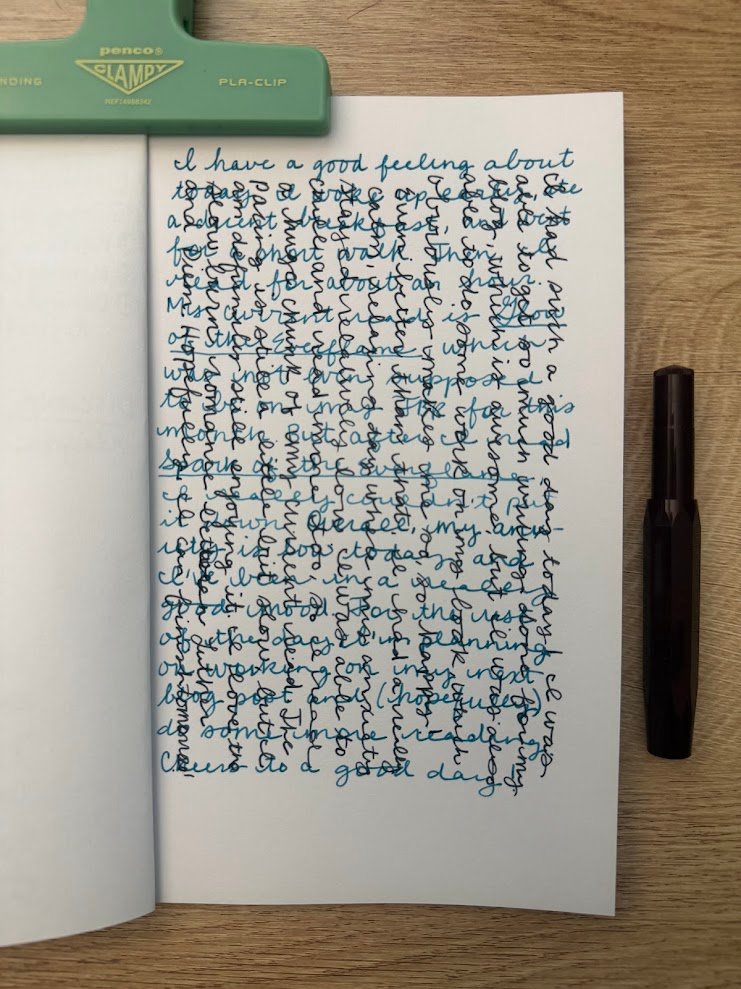
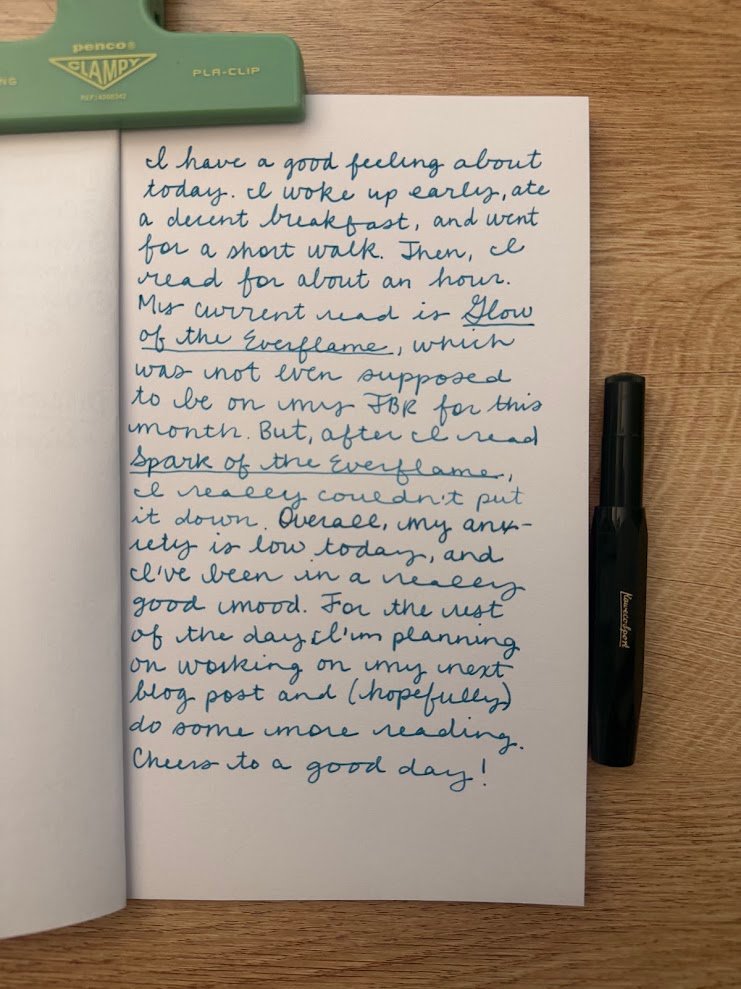
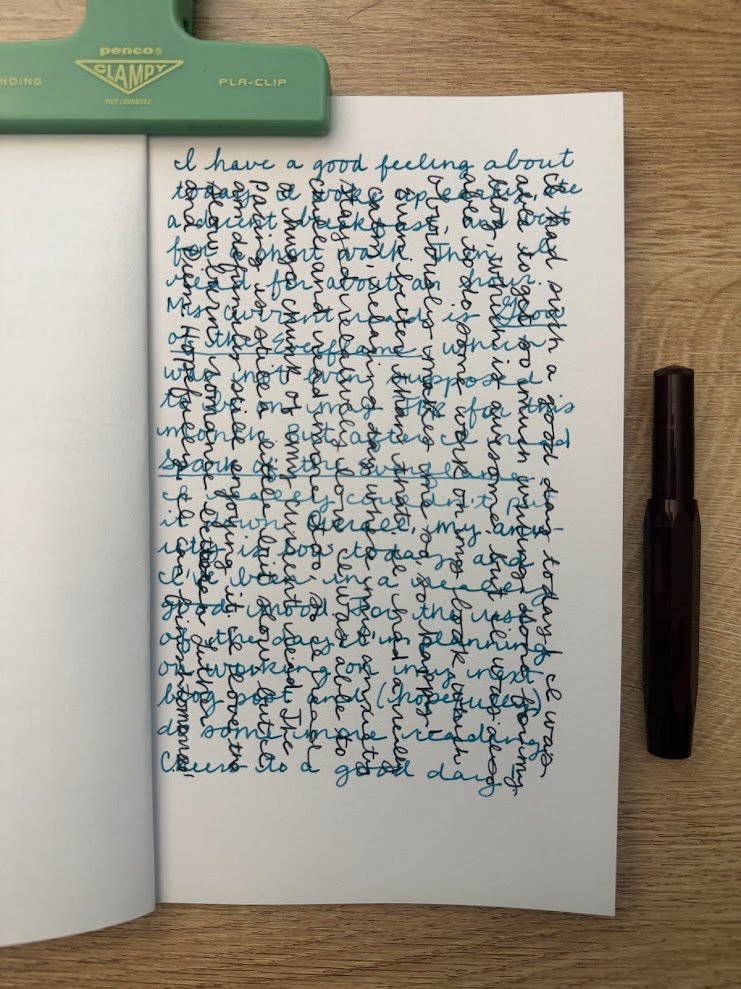
Cross-writing journaling is a technique that dates back to the 18th century. For this method, you write normally across a page first, then turn the page 90 degrees to write a second page of text directly over the first layer.
What are the benefits?
Most people use this type of journaling for privacy reasons; it makes it much harder for someone else to read what you’ve written. It also saves space if you’re running short on pages in your journal.
Steps:
- Write your entry horizontally across the page as you normally would.
- Rotate your journal 90 degrees.
- Write your second entry horizontally across the page (preferably in a different color ink).
Tips:
I recommend using different colors if you want to be able to go back and read it again later. I tried it both ways, and I found it really difficult to read when it was all done in black. Also, for this type of journaling, I recommend using a smaller journal than what you’re used to. It can be a little overwhelming to try this on a large page for the first time.
My Reflection:
I actually liked this method more than I thought I would, especially for recording really brief daily thoughts. I did a quick morning check-in with myself in one color, and I added my evening reflection as the second layer in another color. I liked that my entire day was represented on one page in my journal.
I think this method would be useful for me if I used it for really specific reasons. For example, I think I might keep it as a mental health or anxiety journal. I could record my anxiety levels and/or anxious thoughts in the morning and then also in the evening.
Though I don’t worry too much about privacy, I also think it would be a great option if you’re worried about someone else reading your journal.
Screenshot Journaling
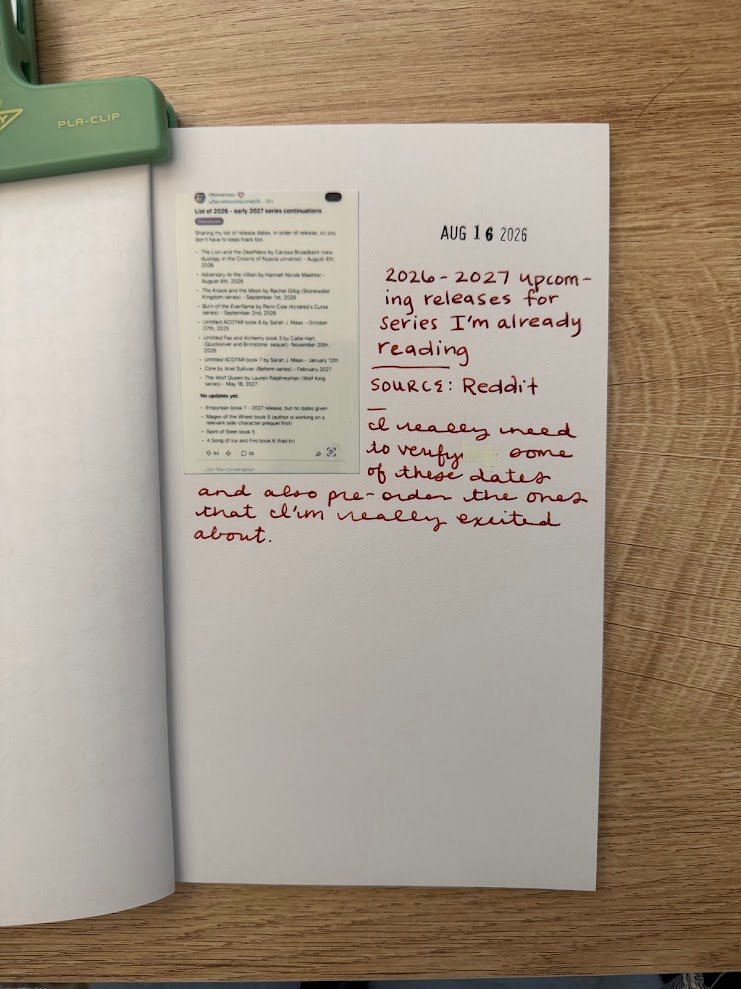
What is it?
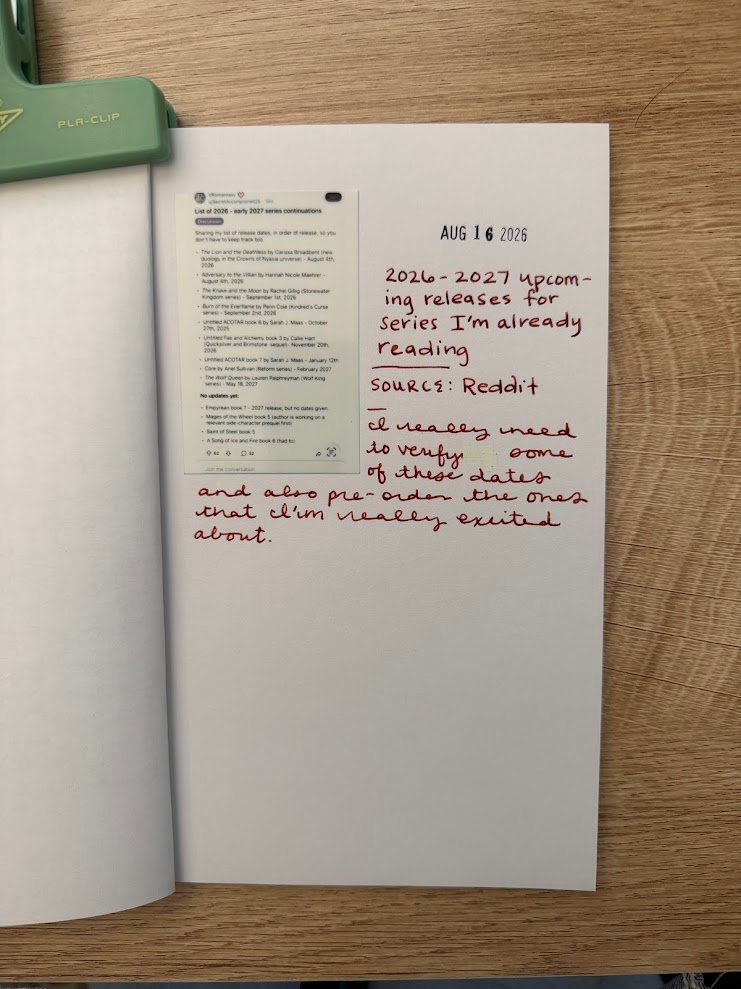
Screenshot journaling involves printing, logging, and/or categorizing screenshots from your phone, translating them into a tangible format.
What are the benefits?
This type of journaling is beneficial for keeping track of random screenshots. If you’re like me, you take screenshots to help remember something important but don’t always remember to go back through those same screenshots later. They end up sitting in my camera roll, completely forgotten. This method helps keep things organized.
Steps:
- Print a screenshot (I love to use my favorite mini-printer!).
- Stick the screenshot in a journal.
- Write a blurb about it (why it’s important, why you saved it, etc.).
Tips:
When I tried this method, I did it chronologically. I went through my camera roll and put the screenshots in order. However, I realized it might be more helpful if I had divided my journal into sections or categories first. That way I could keep it organized by recipes, memes, news stories, etc. I think I would be more likely to go back and look at it again later. Also, having a mini-printer, though obviously not required, made this so much easier. I was able to print my screenshots much more easily and on-demand.
My Reflection:
For me, this type of journaling would be so much better in a digital format. I did not like printing out the screenshots and then writing about them. It felt a little silly to me. Instead, I would rather use my notes app or some other digital format.
Honestly, though, I don’t think that I will continue with this type of journaling in the future. I would rather just set aside some time every week to review and clean up my screenshots; I don’t think I need a journal for this.
Photo-A-Day Journaling
What is it?
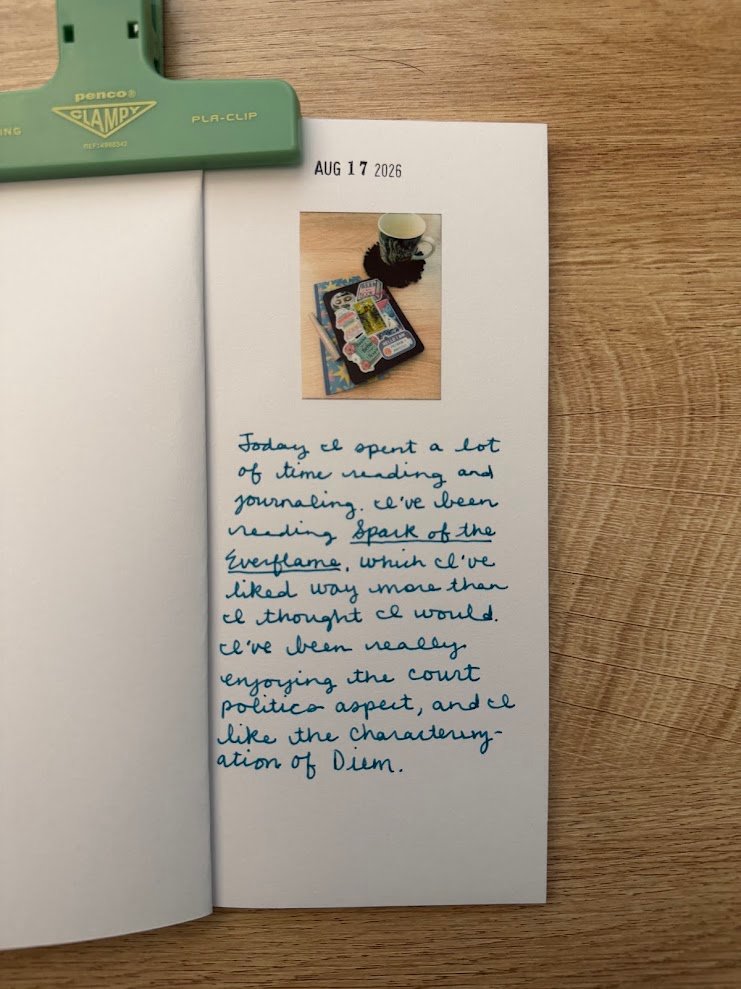
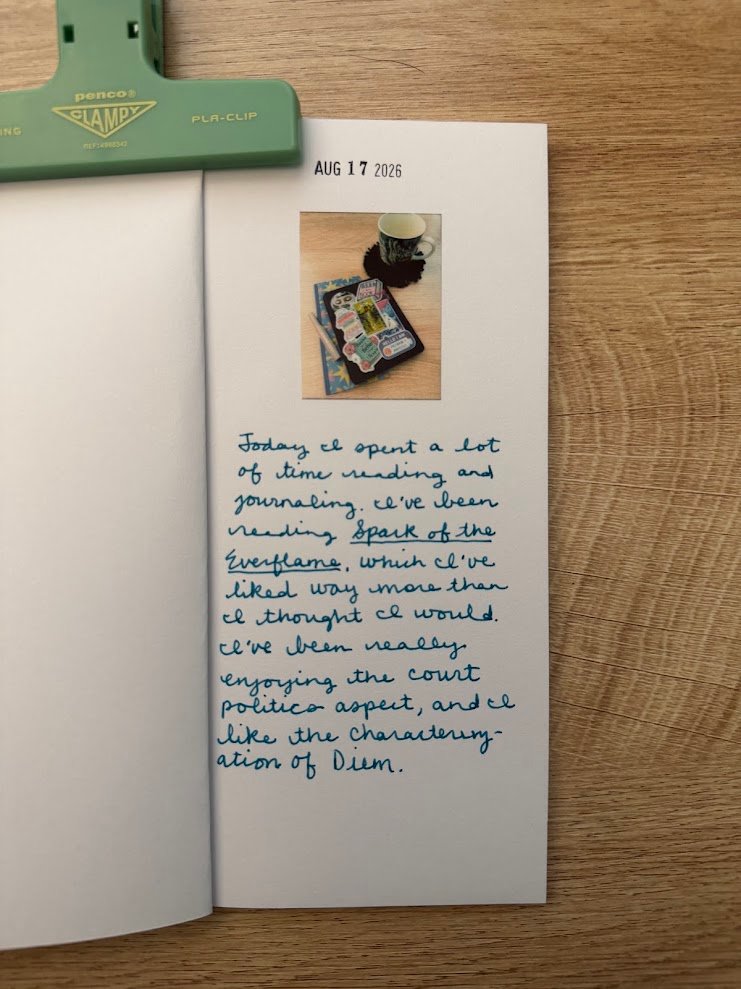
Photo-a-day journaling involves taking one picture each day and writing a short reflection about it, building a visual daily journal of your daily life.
What are the benefits?
For my visual people, this is a great way to help remember the most important parts of each day. It is such a nice reflective practice that encourages you to slow down, even on the busiest days. It helps keep things very simple by focusing on the ordinary moments that make up your day-to-day experience.
Steps:
- Take one photo throughout the day.
- Print your photo.
- Stick the photo in a journal.
- Write a blurb about it (what was happening at this moment, why was it important, etc.)
Tips:
I liked using a small journal for this because I liked having each day on a separate page. I didn’t write much for each photo, just enough to encapsulate the day. And again, having a mini-printer really made this so much easier. I was able to print every day without feeling like I was wasting a full sheet of printer paper.
My Reflection:
I really loved this journaling practice. I have a terrible memory for details, including the little details from my daily life. I loved being able to capture the little beautiful moments from my day.
Final Thoughts
Though I didn’t end up loving all of the new journaling methods I tried, I’m still glad that I tried some new techniques. At the very least, I feel like I will be able to incorporate some of these practices into my Commonplace Book or my daily journal.
If you’re interested in learning about other types of journaling, check out the other posts on my blog!
Related Posts:
- The Ultimate Beginner’s Guide to Commonplace Books
- My Journal Ecosystem: How I Use Multiple Journals to Organize My Life
- How to Start a Junk Journal: A Beginner’s Guide
- How to Start Journaling When You Don’t Know What to Write
- 50 Journaling Prompts for Self-Discovery and Slow Living
- 36 Commonplace Book Ideas & Deep Dive Topics to Journal About
- 20 Reading Journal Prompts for Any Novel